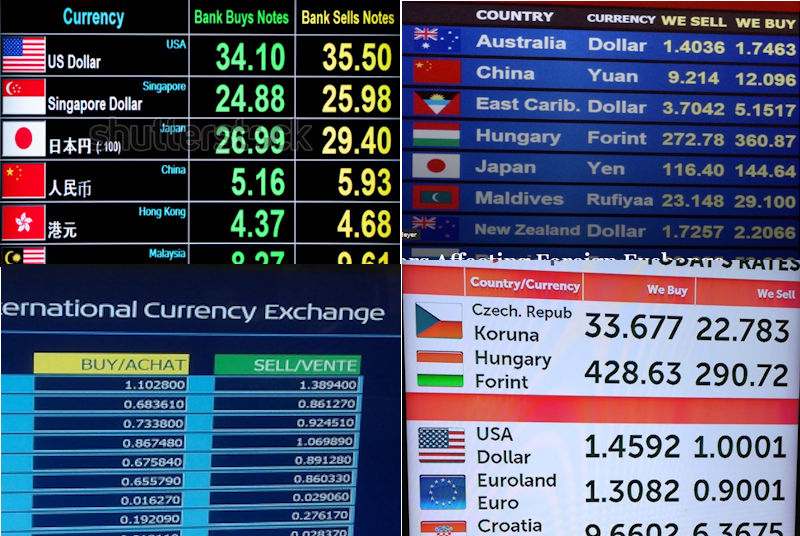
Ten Ways To Compare The Rates Of Local And Online Currency Exchange
Anyone involved in investment, travel or business-related activities It is important to know the differences between online and local rates. Local rates are those rates provided by currency exchange outlets or banks in the area you live in or where you are going. Online rates are provided by digital platforms, financial institutions, and other currency converters. These rates vary widely, and may affect the amount of money you pay for currency exchange or your return on your investment. When you know the differences between the rates of exchange in both online and local markets that you can to make better financial decision. Here are ten tips on how to effectively search for local and online rates.
1. Learn about the different rates
Local exchange rates can differ from rates offered online due to various factors such as overhead expenses, market conditions and the demand. Rates and fees for local exchange could be higher due to operating costs. However online platforms provide lower rates because of their lower cost of operations. Knowing these differences helps you choose the most suitable exchange rate for your currency needs.
2. Check Rates Prior to Making the decision to exchange currency.
Compare rates online and locally before converting currencies. Make use of reliable currency converter tools and websites to verify real-time rates. Check the online exchange rate with that of local currency booths and banks when you're planning to travel abroad. This can aid you in saving money and determine the most effective solution.
3. Utilize Online Currency Exchange Platforms
Online currency exchange services such as Wise or Revolut are typically more competitive and offer lower rates than local banks. They typically provide real-time exchange rates and openness regarding fees. You can obtain the most competitive exchange rates with these platforms.
4. Be aware of the Dynamic Currency Conversion.
You might be given the option to pay in your currency when purchasing items from overseas. This is called the Dynamic Currency Converter. This option, while convenient, often comes with poor exchange rates and additional fees. Always opt to pay in local currency to avoid the excessive charges associated with DCC and to ensure that you profit from better rates.
5. Comparing Costs and Convenience Cost
When choosing between online and local rates Consider the convenience in comparison to the cost. Local exchanges can provide instant access to cash which is useful when travelling. But, online exchanges usually have better rates, but they may require setting up an account, or waiting for money to transfer. Think about your travel plans or your business transactions when determining which option best suits your situation.
6. Keep track of the exchange rate trends
Tracking the trends in exchange rates can help you to make an informed decision on the best time to exchange your currency. Online platforms typically offer historical information as well as analysis tools that let you keep track of fluctuations in exchange rates. Through understanding trends in the market and trends, you can better plan your currency exchanges to benefit from favorable rates, either online or locally.
7. Review ATM fees and limits for local withdrawals.
– Be aware that withdrawals from local ATMs could result in charges. Banks will charge different fees for international transaction, ATMs also have limitations. By researching local ATMs you can be sure that you are getting the best rates and charges.
8. Find no-cost currency exchange Services
– Some online platforms or banks provide free service for exchange of currency, specifically for those who have accounts. This is especially beneficial for business owners or frequent travelers who frequently exchange foreign currencies. Create an account with these institutions and benefit from lower rates and higher exchange rates. This can increase the savings you make.
9. Get advice from Financial Experts for Large Transactions
If you're dealing with large quantities of money or a complex exchange rate, then the guidance of financial experts is invaluable. Experts in currency can provide valuable tips on how to manage the local and online exchange rates. This is especially important for companies involved in international trade or investors looking to optimize their exposure to foreign exchange.
10. Make a plan for your currency needs
If you prepare ahead, you can save time and money. Calculate how much cash will require for your trip, and then consider the best way to convert it. Consider using online platforms before your trip to exchange currency if you find the local rates are not favorable. This will guarantee that you receive better rates and reduce the risk of losing money on undesirable transactions.
With these helpful guidelines on local and online rates, you can deal with the complex world of exchange rates more efficiently, whether you're traveling in business, conducting business, or checking your investments. Understanding the benefits and drawbacks of each will enable you to make decisions about your finances in line with your objectives which will save you money. View the top USD to AED advice for more tips including indian rupees to usd, vnd to usd, dollar to mexican peso, yen to us dollar, us dollar in indian rupees, currency converter, baht to us dollar, usd to mexican peso, swiss franc to usd, dollar to php and more.

Top 10 Tips On Exchange Rates And Currency Regulation
Any person who conducts international business or manages investments needs to be aware of regulatory requirements. The regulations vary between countries and can impact everything, including customs duties, currency exchange, taxation and even trade compliance. Knowing the regulations can assist you to avoid fines and improve your financial results. By familiarizing yourself with the regulatory environment it will allow you to make educated choices that improve your travel experiences, streamline your business operations and safeguard your investment. Here are the top 10 comprehensive tips to effectively deal with regulatory issues in relation to your financial activities.
1. Research Visa Requirements
Check out the visa requirements and entry requirements for a foreign destination before you travel. Requirements for residency, visas and entry permits differ between countries. Make sure you have the appropriate documentation to avoid any issues with immigration. Keep yourself informed of any new laws that might hinder your travel. Many countries have updated their policies as a response to global crises like the COVID-19 pandemic.
2. Understanding Customs Regulations
Know the restrictions and regulations that apply to trading and importing goods into the country of destination. Each country sets out specific rules for what items are allowed to be brought without duty or tax. Infringing on these rules could lead to fines and confiscation. Remember that many countries will have you declare any cash that exceeds a certain amount.
3. Foreign Currency Regulations: Be aware
Different countries have their own regulations regarding currency exchanges and international transfers. Do you want to know the rules and regulations governing exchange rates in the country you are visiting or conducting business? There could be restrictions on the amount you can be exchanged or transferred. Knowing the rules will help you avoid penalties, and ensure compliance with the local laws.
4. Consult with Local Legal Experts
– If you are conducting business in a country that is not your own you should consult local legal experts to understand the regulatory environment. They can provide useful information regarding local laws, regulations to be in compliance, and the potential risks that come with business. This guidance will help you navigate the maze of regulations, and can prevent costly mistakes.
5. Stay informed about tax obligations
Tax laws vary greatly from one country to the next that affect both businesses and individuals. Investigate the possible tax obligations that you might be liable to if you are doing business or traveling in another country, for example, taxes on income, value-added taxes (VAT) as well as withholdings from payments. Also, you should be aware of the tax treaties between your home and destination countries, which may impact the tax requirements of your destination country.
6. Trade Regulations
If you have a business that involves importing and exporting, make sure you adhere to the trade rules. This could include tariffs and import quotas. In the event of not complying with these regulations may result in penalties or delays when shipping products. Consult an expert in trade compliance for insights on the specific rules that are applicable to your business and products.
7. Monitoring changes in Regulatory Environments
Economic, political or social issues could result in rapid changes to regulatory environments. Get industry newsletters or regulatory updates. Stay up-to-date on the latest developments that could impact your business, travel or investment. This proactive approach will assist you in adjusting to the new laws and keep you in compliance.
8. Investment Regulations: What You Should Be aware of
For investors, understanding the regulatory landscape in the countries where you plan to invest is crucial. Foreign investment rules vary from one jurisdiction to another and can include restrictions on ownership percentages as well as reporting requirements and regulations applicable to investment vehicles. Study these regulations carefully to ensure that your investments comply with local laws, and avoid possible penalties.
9. Compliance Software and Tools
Think about using software and tools specifically designed to aid businesses as well as individuals to navigate the regulatory requirements. These tools will assist you to keep track of changes in regulations and organize your documentation. They also help ensure that you're compliant with industry's standards. Making investments in tools that can assist you in complying with regulations can streamline your business and reduce the risk of non-compliance.
10. Local Business Networks – Engage your Local Business Networks
Networking is an excellent way to gain valuable insights on regulatory considerations. Joining local associations, chambers of commerce or industry groups and interacting with experts who are familiar with the regulatory environment. These contacts can provide practical advice and support for compliance with local regulations.
These specific tips will allow you manage the complexities that come with traveling, conducting business and evaluating your investments. Understanding the world of regulation can help you make well-informed decisions that are in line with your financial goals and improve the overall plan. Understanding the regulations is important for anyone wishing to succeed, whether it's investing internationally expanding their business, or travelling. Have a look at the top rated CZK to EUR recommendations for website info including usd to jpy, usd mxn, usd to euro exchange rate, usd to eur, aud to usd, usd to indian rupees, currency exchange, rs to usd, dollar to rupee, usd to japanese yen and more.